Category Archives: Uncategorized

Pigmentation Treatment in Shalimar Bagh

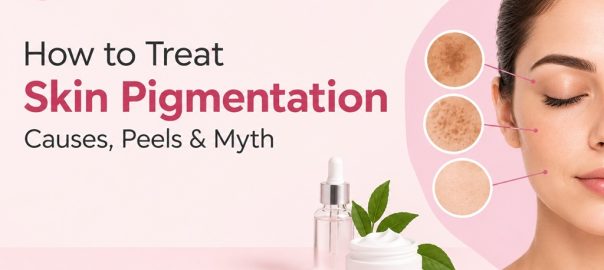
Dark Spots, Tanning or Pigmentation? Why Every Dark Patch Shouldn’t Be Treated the Same Way

“Doctor, pigmentation hat jayegi na?”

It sounds like a simple question.

The problem is that pigmentation is not one single condition.

Darkening of the skin can arise for different reasons, which means copying someone else’s cream, facial or peel may not produce the same result.

What Exactly Is Pigmentation?

Melanin gives skin its colour.

When melanin production or distribution changes in an area, skin may appear darker.

But what patients commonly call pigmentation might include post-acne marks, sun-related pigmentation, melasma or pigmentation after irritation or inflammation.

These may need different approaches.

Myth: Every Pigmentation Problem Is Due to Sun Exposure

Sun exposure is an important trigger for several pigmentation concerns, but it is not the only potential factor.

Hormonal influences, inflammation, acne, irritation and other skin conditions may contribute.

This is why identifying the pattern matters.

Myth: Bleach Can Cure Pigmentation

Cosmetic bleaching may temporarily alter the appearance of hair or superficial colour but does not diagnose or treat every cause of pigmentation.

Repeated use of irritating products may also worsen sensitivity in some people.

Do Chemical Peels Help?

Chemical peeling uses carefully selected agents to produce controlled exfoliation of the skin.

Depending on the type and depth of pigmentation, skin type and medical assessment, peels may be considered as one part of a treatment plan.

Bansal’s Skin & Smile Clinic lists peeling and skin rejuvenation among the skin treatments available at its Shalimar Bagh clinic.

Why Sunscreen Matters

Patients sometimes spend heavily on pigmentation treatments while overlooking daily sun protection.

Exposure to ultraviolet radiation and visible light can contribute to pigmentation in susceptible individuals.

The right sunscreen and sensible sun protection therefore often form part of a pigmentation-management routine.

Can Pigmentation Return?

Some pigmentation conditions can recur or worsen when triggering factors return.

That means treatment is not always simply:

procedure → pigmentation gone → problem finished.

Maintenance and prevention can matter.

A Common Mistake: Using Strong Products Without Diagnosis

Social media has made ingredients such as acids, retinoids and exfoliants widely available.

More active ingredients, however, do not necessarily mean faster results.

Mixing several strong products can damage the skin barrier and trigger irritation—which itself may lead to further pigmentation in susceptible skin.

Searching for a Skin Clinic in Shalimar Bagh?

If you have persistent dark patches, acne marks or uneven skin tone, the first objective should be to identify the type and likely cause.

Bansal’s Skin & Smile Clinic provides medical, surgical and cosmetic dermatology services for skin, hair and nail concerns in Shalimar Bagh.

Treat the diagnosis, not just the colour you see in the mirror.

Frequently Asked Questions About Pigmentation

  1. What causes facial pigmentation?
    Pigmentation can develop because of sun exposure, acne or inflammation, hormonal factors, skin irritation and conditions such as melasma. The cause should be assessed because different pigmentation problems may require different treatments.
  2. Is pigmentation the same as tanning?
    No. Tanning is only one form of skin darkening. Pigmentation may also include melasma, post-acne marks and post-inflammatory pigmentation.
  3. Can chemical peels help pigmentation?
    Chemical peels may help selected pigmentation and uneven-skin-tone concerns by producing controlled exfoliation. The type and strength of peel should be selected according to the patient’s skin type and condition.
  4. Can pigmentation come back after treatment?
    Yes. Some forms of pigmentation can recur, especially if triggering factors such as sun exposure, hormones or inflammation continue. Maintenance and sun protection may therefore be important.
  5. Does sunscreen help pigmentation?
    Sun protection can be an important part of pigmentation management because sunlight may worsen several pigmentation conditions. Sunscreen should be selected according to skin type and used consistently.
  6. Can home remedies remove pigmentation permanently?
    There is no reliable home remedy that permanently removes every type of pigmentation. Harsh acids, scrubbing and unsuitable products may irritate the skin and potentially worsen pigmentation.
  7. Where can I get pigmentation treatment in Shalimar Bagh?
    Bansal’s Skin & Smile Clinic in Shalimar Bagh provides consultations for pigmentation, acne marks, uneven skin tone and related skin concerns.

Key Takeaways:
Pigmentation is not a single condition. It may result from sun exposure, hormones, acne, inflammation or other causes. Treatment can include medical skin care, peels and other procedures depending on diagnosis.
Botox and Fillers in Shalimar Bagh

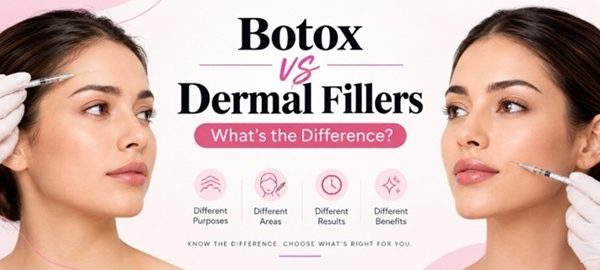
Botox vs Fillers: They Are Not the Same — Here’s the Difference

“Will Botox make my face look frozen?”

“Are fillers only for bigger lips?”

“Are Botox and fillers basically the same treatment?”

These are some of the most common questions surrounding facial aesthetics.

The answer begins with one important fact:

Botox-type treatments and dermal fillers do different jobs.

What Does Botox Do? 

Botulinum toxin treatments are commonly used to temporarily reduce activity in selected facial muscles.

Certain facial lines become more noticeable because of repeated expressions such as frowning, squinting or raising the eyebrows.

Reducing excessive movement in carefully selected muscles can soften particular expression lines.

What Do Dermal Fillers Do? 

Dermal fillers work differently.

Depending on the product and treatment goal, fillers may be used to restore or enhance volume, alter contours or address selected folds and facial areas.

They do not simply “freeze” facial muscles.

Myth: Botox and Fillers Always Make You Look Artificial 

An unnatural result is not the objective of well-planned aesthetic treatment.

Facial structure, muscle movement, proportions, age and patient expectations all need consideration.

For many patients, the desired result is not to look like a different person.

It is to look rested, balanced and natural.

Myth: Fillers Are Only for Lips 

Lips are only one potential area.

Depending on clinical suitability and the product being used, fillers may be considered for other facial areas as well.

The appropriate treatment should be based on facial assessment rather than whatever happens to be trending on social media.

Should Younger Adults Get Botox? 

There is no universal age at which everyone “needs” Botox.

Treatment decisions depend on individual anatomy, facial movement, concerns and medical suitability.

Preventive aesthetic claims seen on social media should not replace personalised assessment.

More Is Not Necessarily Better 

When it comes to facial aesthetics, additional product does not automatically produce a better outcome.

Balance matters.

This is particularly important when patients arrive with filtered photographs or celebrity references.

Real faces move. Real faces have asymmetry. And treatments need to respect individual anatomy.

Questions to Ask Before Treatment 

Before undergoing Botox or filler treatment, discuss:

  • What exactly are we trying to improve?
  • Is Botox, filler or neither appropriate?
  • What result is realistically achievable?
  • What are the potential side effects?
  • How long might the effect last?
  • What aftercare should I follow?

Botox and Fillers in Shalimar Bagh 

Bansal’s Skin & Smile Clinic lists both Botox and filler-related aesthetic services within its dermatology and skin-care offering in Shalimar Bagh.

The aim of an aesthetic consultation should not be to sell the maximum number of procedures.

It should be to understand the concern first and then determine whether treatment is appropriate at all.

Key Takeaways: 

Botox and fillers are different aesthetic treatments. Botox reduces selected muscle activity, while fillers primarily restore or enhance facial volume. Treatment should be based on facial anatomy and realistic goals rather than social-media trends.

Frequently Asked Questions

  1. Are Botox and fillers the same treatment?

No. Botox-type treatments work mainly by temporarily reducing activity in selected facial muscles, while dermal fillers are used to restore or enhance volume and contour.

  1. What is Botox commonly used for?

Botulinum toxin may be used for selected expression lines caused by repeated muscle movement, such as certain forehead lines or lines around the eyes. Treatment depends on individual facial anatomy.

  1. What are dermal fillers used for?

Dermal fillers may be used to restore volume, improve facial contours or address selected folds and facial areas. The appropriate use depends on the patient’s facial structure and treatment goals.

  1. Will Botox make my face look frozen?

An unnatural or frozen appearance is not the objective of appropriately planned treatment. The result depends on dosage, treatment area, anatomy and technique.

  1. Are fillers only used for lips?

No. Lip enhancement is only one possible use. Depending on clinical suitability, fillers may be used in several facial areas.

  1. How long do Botox and fillers last?

Duration varies according to the treatment, product, area treated, metabolism and individual response. Botox and fillers are not permanent treatments.

  1. Where can I get Botox or fillers in Shalimar Bagh?

Bansal’s Skin & Smile Clinic in Shalimar Bagh provides cosmetic and aesthetic treatment consultations, including Botox and filler-related services. Treatment should follow individual facial assess.

hair fall treatment in shalimar bagh

Hair Fall After Every Wash? When Is Hair Loss Normal and When Should You Worry?

A few strands on the pillow.

Hair in the shower drain.

More strands on your comb.

Suddenly, every fallen hair starts looking alarming.

But does seeing hair fall automatically mean you are becoming bald?

Not necessarily.

Before searching for the latest serum or hair fall treatment in Shalimar Bagh, it is important to understand why the hair is falling.

Some Hair Shedding Is Normal

Hair naturally cycles through growing, transitioning and resting phases.

This means some shedding is expected.

The concern becomes more relevant when you notice persistent excessive shedding, widening of the parting, visible scalp, receding areas, patchy loss or a clear reduction in overall hair density.

Myth: Hair Fall Is Always Caused by Bad Shampoo 

Shampoo is frequently blamed because people see loose hair while washing.

But washing may simply release hairs that were already in the shedding phase.

Hair loss can have many potential contributors, including genetics, stress, nutritional factors, illness, hormonal changes and scalp conditions.

That is why repeatedly changing shampoos without understanding the cause may not solve the problem.

Myth: Cutting Your Hair Makes It Grow Faster 

Hair is cut above the skin surface.

Its growth occurs from follicles within the scalp.

A haircut can make damaged ends look healthier and fuller, but it does not change the biological growth rate of the follicle.

What Is PRP Therapy for Hair? 

PRP stands for platelet-rich plasma.

The procedure typically uses a concentrated component prepared from the patient’s own blood, which is then administered into selected areas of the scalp.

PRP may be considered in certain forms of hair thinning, but it is not a universal treatment for every type of hair loss.

Bansal’s Skin & Smile Clinic lists PRP therapy and other hair-related services among its skin and hair treatments.

Is PRP a Permanent Cure for Baldness? 

No treatment should be presented as a guaranteed permanent cure for every patient.

Whether PRP is appropriate depends on the type and stage of hair loss, follicle condition and other medical factors.

Some patients may require additional medical management or other treatment options.

What About Hair Transplantation? 

Hair transplantation is different from PRP.

In suitable candidates, hair follicles are moved from donor areas to areas requiring restoration.

The clinic website also lists hair transplantation among its services.

A transplant, however, should not automatically be the first answer to every hair-loss problem.

When Should Hair Fall Be Evaluated? 

Consider professional evaluation when:

  • hair fall has increased suddenly;
  • visible thinning is progressing;
  • patches of hair are disappearing;
  • the scalp is itchy, inflamed or scaling;
  • the hairline is noticeably changing; or
  • home remedies have not addressed the problem.

Searching for Hair Fall Treatment Near Shalimar Bagh? 

Instead of starting with:

“Which PRP package should I buy?”

start with:

“Why am I losing hair?”

Diagnosis comes before treatment.

Once the cause and pattern of hair loss are understood, options such as medical treatment, PRP or hair restoration procedures can be discussed more meaningfully.

Key Takeaways: 

Hair fall can result from multiple causes, including genetics, stress, hormonal changes and nutritional factors. PRP may help selected patients, but diagnosis should come before treatment. Bansal’s Skin & Smile Clinic offers hair-loss and PRP consultations in Shalimar Bagh, Delhi.

Frequently Asked Questions

  1. Is some daily hair fall normal?

Yes. Hair naturally passes through growth and shedding cycles, so some hair shedding is expected. Persistent excessive shedding, visible thinning, widening of the parting or patchy hair loss should be evaluated.

  1. What are the common causes of hair fall?

Hair fall can be associated with genetics, stress, nutritional factors, hormonal changes, illness, scalp conditions and other medical factors. Identifying the cause is important before selecting a treatment.

  1. Does changing shampoo stop hair fall?

Not necessarily. Shampoo can help maintain scalp cleanliness, but many types of hair loss originate from factors unrelated to shampoo. Continually changing products without identifying the cause may not solve the underlying problem.

  1. What is PRP treatment for hair loss?

PRP stands for platelet-rich plasma. It is prepared from the patient’s own blood and may be administered to selected areas of the scalp to support hair-growth treatment in suitable cases.

  1. Is PRP suitable for everyone with hair loss?

No. PRP is not a universal treatment for all forms of hair loss. Its usefulness depends on the type, stage and cause of hair loss and the condition of the hair follicles.

  1. Is PRP a permanent cure for baldness?

PRP should not be considered a guaranteed permanent cure. Some patients may require multiple sessions, maintenance treatment or additional medical management.

  1. Where can I get PRP hair treatment in Shalimar Bagh?

Bansal’s Skin & Smile Clinic in Shalimar Bagh provides PRP and hair-related treatment services. An assessment is recommended to understand the reason for hair loss before deciding whether PRP is appropriate.

Acne Scar Treatment in Shalimar Bagh

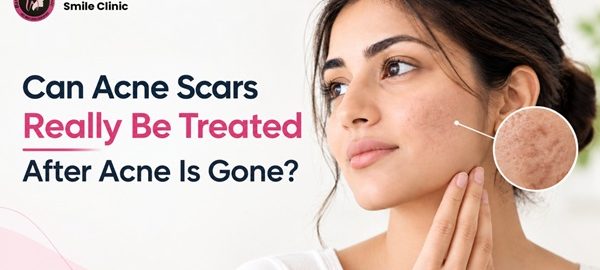
Acne Is Gone, But the Scars Are Still There: Can Acne Scars Really Be Treated?

Your acne may have settled months or even years ago, yet every time you look in the mirror you still see reminders of it.

For many patients, the frustrating part is that they have already tried creams, serums and home remedies without seeing much improvement.

The reason is simple:

Acne marks and acne scars are not necessarily the same thing.

Understanding this difference is the first step towards choosing an appropriate acne scar treatment in Shalimar Bagh.

Acne Marks vs Acne Scars 

After acne heals, it may leave dark or reddish marks.

These are colour changes in the skin and can sometimes gradually improve.

True acne scars involve changes in skin texture.

Some scars appear as narrow deep pits. Others are broader depressions, while some create a rolling or uneven appearance.

Because scar types differ, one treatment cannot be expected to work equally well for everyone.

Myth: One Cream Can Remove Deep Acne Scars 

Topical products may help certain pigmentation issues or improve overall skin quality.

But a cream cannot simply rebuild every type of deep structural acne scar.

Depending on the scar pattern, doctors may consider procedures designed to stimulate skin remodelling.

Where Does Microneedling Fit In? 

Microneedling devices create controlled micro-injuries in the skin, which stimulate the body’s natural repair process.

Advanced microneedling systems such as Dermapen may be considered for selected acne scars and skin-texture concerns.

But deeper scars or mixed scar patterns may require a combination approach.

Are Chemical Peels Useful? 

Chemical peels can be useful in selected situations, particularly where acne is associated with superficial pigmentation, uneven tone or certain textural concerns.

But expecting a superficial peel to erase deep scars can lead to disappointment.

The correct treatment depends on what type of scar is actually present.

Myth: Scrubbing Harder Will Remove Acne Scars 

Aggressive scrubbing may do exactly the opposite of what you want.

Excessive friction can irritate already sensitive or acne-prone skin and may worsen inflammation or pigmentation.

Skin improvement should be controlled, not aggressive.

Why Scar Assessment Matters 

Imagine two patients who both search Google for:

“acne scar treatment near me.”

One has mostly pigmentation.

The second has deep pitted scars.

Giving both patients the same treatment package simply because both describe their problem as “acne scars” would make little sense.

A proper skin examination helps identify the scar type before a treatment plan is chosen.

Can Acne Scars Disappear 100%?

Patients should be careful about absolute promises.

The goal of treatment is generally improvement in texture and appearance rather than guaranteeing completely flawless skin.

The degree of improvement varies with scar type, depth, skin characteristics, age of the scars and treatment response.

Acne Scar Consultation in Shalimar Bagh 

Bansal’s Skin & Smile Clinic lists acne-scar treatment, Dermaroller, peeling and skin-rejuvenation procedures among its skin services in Shalimar Bagh.

If acne is still active, controlling new breakouts can be just as important as treating old scars.

So rather than asking:

“Which acne-scar treatment is strongest?”

A better question is:

“What type of scars do I have, and what treatment suits them?”

Key Takeaways:

Acne marks and acne scars are different. Scar treatment depends on scar depth and type, and may involve microneedling, peels or combination treatment. Proper assessment is important because one treatment does not work equally well for all scars.

Frequently Asked Questions

  1. What is the difference between acne marks and acne scars?

Acne marks are usually changes in skin colour left after inflammation, while acne scars involve changes in skin texture. Marks may appear brown, red or dark, whereas scars may look pitted, depressed or uneven.

  1. Can acne scars be completely removed?

Acne-scar treatment generally aims to improve the appearance and texture of scars rather than guarantee complete removal. The level of improvement depends on scar type, depth, skin characteristics and treatment method.

  1. Which treatment is best for acne scars?

There is no single best treatment for every acne scar. Options may include microneedling, Dermapen, chemical peels and other procedures depending on whether the patient has pigmentation, shallow scars, deep scars or mixed scar patterns.

  1. Does Dermapen help with acne scars?

Microneedling devices such as Dermapen may help improve selected acne scars by stimulating the skin’s repair and remodelling process. Suitability depends on scar type and individual skin condition.

  1. Can chemical peels remove acne scars?

Chemical peels can help with certain superficial pigmentation and skin-texture concerns, but they may not be sufficient for deep structural acne scars. Deeper scars may require a different or combined approach.

  1. Should active acne be treated before acne scars?

In many cases, controlling active acne is important before or alongside scar treatment because continuing breakouts can create new marks and scars.

  1. Where can I get acne-scar treatment in Shalimar Bagh?

Bansal’s Skin & Smile Clinic in Shalimar Bagh provides consultations for acne, acne scars, pigmentation and other skin concerns. Treatment should be selected after identifying the type of acne scars present.

laser hair removal in shalimar bagh

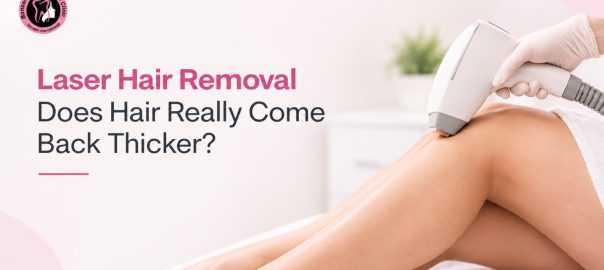
Laser Hair Removal: Does Hair Really Come Back Thicker? Myths vs Reality

Shaving every few days. Waxing every few weeks. Threading, razor cuts, ingrown hair and repeated salon appointments.

For people dealing with unwanted facial or body hair, the routine itself can become frustrating. That is why laser hair reduction has become a commonly considered option.

Yet many people interested in laser hair removal in Shalimar Bagh still hesitate because of things they have heard online.

Does laser make hair grow back thicker?

Can it damage the skin?

Is one session enough?

Let us separate common myths from medical reality.

Myth 1: Laser Hair Removal Makes Hair Grow Back Thicker

This is one of the most common misconceptions.

Laser treatment targets pigment within the hair follicle. Over a series of appropriately planned sessions, hair growth can progressively reduce and regrowing hair may become finer.

It does not intentionally make existing hair thicker.

However, results vary depending on factors such as the treatment area, hair colour and thickness, skin type, hormones and the technology being used.

Myth 2: One Session Permanently Removes All Hair

Hair does not grow at exactly the same time.

Laser works most effectively on hair follicles during a particular growth phase. Because different follicles are in different stages at any given time, multiple sessions are generally required.

This is why patients should be cautious about promises such as “100% permanent hair removal in one sitting.”

A more accurate term is often laser hair reduction.

Myth 3: Laser Hair Removal Is Only for Women

Not at all.

Men may seek laser reduction for areas such as the back, chest, shoulders, beard line, neck or ears.

Women commonly seek treatment for the upper lip, chin, face, underarms, arms, legs and bikini area.

The treatment plan should be decided according to the individual rather than gender.

Myth 4: Laser Treatment Is Extremely Painful

The sensation differs from person to person and depends on the area treated and the equipment used.

Many people describe it as brief warmth or a snapping sensation rather than severe pain.

Modern devices may incorporate cooling mechanisms to improve comfort.

Why Do Some Women Develop Facial Hair Again?

If unwanted facial hair is linked with hormonal factors, simply treating the visible hair may not address the underlying cause.

For example, significant or suddenly increasing facial hair can sometimes warrant medical evaluation.

This is one reason a consultation at a skin clinic in Shalimar Bagh can be more appropriate than choosing a treatment solely on the basis of an advertisement or package price.

Is Laser Suitable for Every Skin Type?

Laser parameters need to be selected according to skin tone, hair characteristics and treatment area.

That makes proper assessment important.

Recent tanning, certain medicines, active skin conditions and other factors may affect when or how treatment should be performed.

What Should You Ask Before Starting?

Before beginning laser hair reduction, ask:

  • Which technology is being used?
  • Is it suitable for my skin and hair type?
  • Approximately how many sessions may be required?
  • What precautions should I follow before and after treatment?
  • Could my hair growth have an underlying hormonal cause?

Looking for Laser Hair Removal in Shalimar Bagh?

Bansal’s Skin & Smile Clinic in Shalimar Bagh provides laser hair removal among its skin-treatment services.

The important question is not simply, “How cheap is the package?”

It is: Is the treatment appropriate for my skin, hair and underlying condition?

A personalised consultation can help answer that before treatment begins.
Key Takeaways:

Laser hair removal uses targeted energy to reduce unwanted hair growth. Multiple sessions are generally required, and results depend on hair type, skin type, treatment area and hormonal factors. Bansal’s Skin & Smile Clinic offers laser hair-reduction consultations in Shalimar Bagh, Delhi.


FAQs

  1. Is laser hair removal permanent?

Laser treatment is more accurately described as laser hair reduction. It can significantly reduce hair growth over a series of sessions, but some hair may regrow over time. Maintenance sessions may occasionally be required depending on hormones, treatment area and individual hair-growth patterns.

  1. How many laser hair removal sessions are usually required?

There is no fixed number for every person. Multiple sessions are generally required because laser works most effectively on hair that is in an active growth phase. The number of sessions depends on the treatment area, hair thickness, skin type, hormonal factors and response to treatment.

  1. Does laser hair removal make hair grow back thicker?

No. Properly performed laser hair reduction does not normally make treated hair thicker. Hair that regrows may become finer or lighter. If facial hair is increasing because of hormonal factors, the underlying cause may also need assessment.

  1. Is laser hair removal painful?

Most patients describe the sensation as mild warmth, tingling or a brief snapping feeling. Comfort levels vary by body area and individual sensitivity. Modern laser systems may use cooling mechanisms to improve comfort.

  1. Is laser hair removal safe for Indian skin tones?

Laser treatment can be performed on a range of skin tones, but device selection and treatment settings are important. A professional assessment is recommended before starting treatment, particularly for darker skin tones or recently tanned skin.

  1. Which areas can be treated with laser hair removal?

Common areas include the face, upper lip, chin, underarms, arms, legs, back, chest and bikini area. The suitability of an area should be assessed before treatment.

  1. Where can I get laser hair removal in Shalimar Bagh, Delhi?

Bansal’s Skin & Smile Clinic in Shalimar Bagh, Delhi offers laser hair-reduction services along with other skin and aesthetic treatments. A consultation can help determine whether laser treatment is suitable for your skin and hair type.

botox & fillers

The “No-Filter” Secret: Is it Botox, Filler, or Both?

The new aesthetic trend in the world has changed completely. The time of “obvious” treatment or “too much” and “frozen face” is gone. Now it’s all about Subtle Restoration where people are eager to get the appearance that looks natural but more hydrated and younger at the same time.

there is one key question that people ask: “Should I get something for freezing a line or filling a hollow?”

Knowledge of the difference between Botox and dermal fillers is a basis of achieving perfect harmony on the face. Even though both products are referred to as injectables, they play distinct roles – one is relaxing, and another is restoring.

botox & fillers

The Muscle vs. The Volume: The Bed Metaphor

To make it easy to visualize, think of your face as a well-made bed.

  • The purpose of Botox is to take care of the “sheet” (your skin). With age, wrinkles are formed on the sheet due to the constant movement of the mattress. This way, Botox helps to eliminate them by acting on what causes their appearance.
  • In case of fillers, these should be understood as the “stuffs” of your mattress (structural tissues). The mattress tends to get flatter and needs replenishment.

1. Botox: The Movement Relaxer

It is a protein obtained from botulinum toxin and has been extensively used in medicine for years now. The main function of Botox is to block nerve impulses in certain parts of the body. Once this is achieved, relaxation of the muscles becomes possible, making the overlying skin smooth.

What it Treats: Botox is the gold standard for “Dynamic Wrinkles”-the lines that appear when you make expressions.

Forehead Lines: The horizontal lines that form when one is surprised.

Frown Lines: The “11s” on the upper forehead between the eyebrows making you look either tired or angry.

Crow’s Feet: Small lines that fan out from the eyes whenever you smile or laugh.

The “Baby Botox” Approach:

The current trend for Botox involves micro-dosing. Instead of “freezing” your face, we will do micro-doses that relax the wrinkles but allow you to move your face naturally. This is actually preventive because once the muscle does not fold the skin that much, no wrinkles will be formed.

2. Dermal Fillers: The Volume Restorer

While Botox delas movement, Dermal Fillers address the effects of gravity and volume depletion. The most common type of filler available today contains Hyaluronic Acid (HA), which is a sugar molecule found in the body naturally.

Our skin ages by losing facial fat content and bone density. This results in a different way of skin draping due to volume depletion, creating shadows, and drooping.

What it Treats:

  • Contouring of Cheeks: Bringing back the “apple” in the cheeks to lift up the lower cheeks.
  • Nasolabial Folds: Smoothing out the lines that extend from the nose to the sides of the mouth.
  • Enhancement of Lips: Hydrating and plumping up the lips to enhance their volume.
  • Under Eye Hollows: Correcting the under-eye hollow areas called “tear troughs,” eliminating dark circles.

The Rise of Bio-Stimulators:
In addition to just filling the voids, many fillers today have become bio-stimulators. These next-generation formulations are not only confined to gel but stimulate production of fresh collagen by your skin fibroblasts. As a result, you will continue enjoying the benefits of firmness in your skin despite the gradual breakdown of the filler after one year.

Which One Is Right for You?

The answer is usually not either/or but both/and. Face aging is a 3-dimensional process that entails changes in the movement and reduction in volume. That’s why our first recommendation will be for a “Liquid Facelift,” which is the clever use of Botox and Fillers in combination. Using Botox to relax the upper face and Fillers to lift the mid-face results in a more natural look than can be achieved surgically.

Common Concerns & Safety

The fear of migration or appearing “fake” ranks high. Safety and accuracy are our priorities. Both fillers and Botox treatments are reversible and temporary, respectively, which makes them two of the safest non-invasive cosmetic treatments to consider.

With FDA-approved materials and precise anatomical expertise, you can be assured that your treatment focuses on restoration, not reinvention.

Conclusion: Start Your Transformation Today

You don’t need a major overhaul to feel confident. Sometimes, just softening a deep frown line or restoring a bit of volume to the cheeks is all it takes to hit the “refresh” button on your appearance.

Ready to find your perfect balance?

DM us to book your expert consultation and discover the best version of you!

There’s no need for a drastic change to feel good about yourself, a simple modification can sometimes be enough to make that difference. Sometimes, all that’s needed is to soften up that frown line or add some volume back to the cheeks for that fresh look.

Ready to find your perfect balance?

DM us to book your expert consultation and discover the best version of you!

FAQ’s

What is the difference between Botox and filler treatments?
It is very easy to understand use Botox to treat “lines that move” (such as those on your forehead) and use fillers to treat “lines that stay.”

  1. Does the treatment hurt?
    The vast majority of patients report feeling only a minor prick. We use ultra-thin needles and specially formulated topical anesthetics that will make the process fast and painless.
  2. Will I look “frozen” or unnatural?
    No. We follow a “less is more” philosophy. Our goal is to soften your features, so you look refreshed and well-rested, not “overdone.”
  3. How long will my results last?
    Botox typically lasts 3-4 months. Fillers are longer-lasting, usually remaining visible for 6–18 months depending on the area treated.

5. Are these injections safe?
Yes. We use only FDA-approved products that are naturally broken down by your body over time. They have a proven safety record over decades of global use.

benefits of dermapen 4

Beyond Traditional Microneedling: The Game-Changing Benefits of Dermapen 4

If you have been seeking an effective and natural way to enhance your appearance without the use of invasive surgical procedures or toxic chemicals, you must have come across microneedling. In this regard, Bansal’s Skin & Smile Clinic, we take this a step further by using the world’s leading technology: the Dermapen 4.

But what exactly makes this device the “gold standard,” and how does it actually fix your skin? Let’s break down the science and the incredible results you can expect.

What is the Dermapen 4?

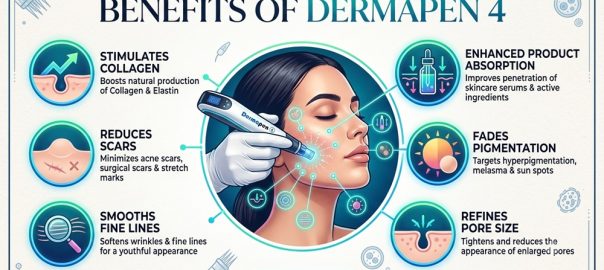
The Dermapen 4 is an automated microneedling tool designed to treat various skin problems. The tool has a unique needle tip, which comprises 16 micro-needles that oscillate incredibly fast, making as many as 1,920 micro-punctures in one second.

Imagine the tiny holes created by Dermapen 4 as “micro-injuries.” Even though the punctures are tiny and do not cause any visible damage to your skin, they make your skin cells produce collagen and elastin, the proteins necessary for maintaining skin elasticity and youthfulness.

Top Dermapen 4 Benefits

The reason the Dermapen 4 treatment is so highly recommended is its versatility. Here are the primary Dermapen 4 benefits you’ll experience:

  1. Scar Removal
    If there are deep pitting due to severe acne, post-surgical wounds, or stretch marks, the Dermapen 4 treatment works great. This device removes older, damaged skin cells and stimulates the formation of fresh, healthy cells that fill in the missing spots.
  2. Anti-Aging & Skin Tightening
    It fills in the fine lines and wrinkles thanks to creating thicker skin tissues. Dermapen 4 treatment especially effective at getting rid of pesky “smoker’s lines” around the mouth area and “crow’s feet” close to the eyes.
  3. Controlled Pigmentation
    This procedure does not cause any problems for dark skin types. If melasma or sun damage caused by the pigment production become a nuisance, Dermapen 4 treats it by regulating melanocyte activity.
  4. Improved Skin Texture
    If you have orange peel or enlarged pores, they will no longer be an issue after treatment with this device. It tightens skin fibres, which makes pores smaller and skin smoother.
  5. Enhanced Serums Absorption
    Due to microneedle formation, microchannels serve as a highway through which high-quality serums can penetrate deep layers of the skin and nourish them.

Conclusion: Why Dermapen 4 is the Need of the Hour

As humans in today’s fast-changing environment, the skin faces a lot of challenges such as pollution, stress, and aging. If you want to revive the skin in its complete essence, then now is the perfect time to opt for Dermapen 4. This treatment can no longer be considered an option but rather a necessity for those who seek perfect skin.

Bansal’s Skin & Smile Clinic takes care of their patients by offering not only the best treatment but also by customizing their treatment according to their individual requirement.

Don’t go back in time; take a step towards the future of skin rejuvenation with Dermapen 4.

FAQs

  1. Is the treatment painful?
    No. Because the Dermapen 4 needles move vertically and at high speeds, the sensation is more of a light vibration. We also use numbing cream for total comfort.
  2. How long is the recovery?
    Very short. You may look slightly red (like a mild sunburn) for 24 hours. Most patients see their skin return to normal by the second day.
  3. When will I see the results?
    You’ll see an immediate “glow,” but the true structural changes like scar reduction and tightening-develop over the next 4 to 6 weeks.
  4. Is it safe for all skin types?
    Yes! One of the biggest Dermapen 4 benefits is that it is safe for all skin tones since it doesn’t use heat, which can sometimes cause issues in darker skin.
Summer Skincare

Summer Skincare Routine: 5 Must-Have Changes for Hot Weather

As the Delhi sun peaks, soaring temperatures and rising humidity can take a heavy toll on your complexion. What worked in the winter won’t cut it now. Many people start searching for a skin clinic near me the moment the heatwave hits, looking to save their glow from oiliness and “summer tanning.”

At Bansal’s Skin & Smile Clinic, we believe strategic shifts can prevent seasonal damage. Here is how you can recalibrate your routine with advice from a leading skin specialist.

5 Essential Routine Swaps for Summer

  1. Swap Cream for Gel: In high humidity, heavy creams trap bacteria. Switch to a lightweight, hyaluronic acid-based gel for deep hydration without the grease.
  2. Master the Double Cleanse: Between sweat and multiple layers of SPF, a single wash isn’t enough. Use micellar water followed by a foaming wash to keep pores clear.
  3. Prioritize Antioxidants: Vitamin C neutralizes free radicals caused by UV rays. For professional-grade serums that penetrate deeper, consult the best dermatologist in Delhi.
  4. Reapply Sunscreen: SPF 50 is a must, but it only lasts a few hours. Reapplication is the only way to prevent the stubborn pigmentation that often requires a visit to a skin care clinic.
  5. Cooling Hydration: Heat leads to water loss, making skin look parched. Use a cooling face mist and consider a professional “Hydra-Facial” for an expert moisture boost.

Daily Habits for Healthy Summer Skin

Beyond your products, your lifestyle habits dictate how your skin handles the heat. Use this checklist to stay ahead of the weather:

Focus Area Summer Action Plan Why It Matters
Protection Reapply SPF 50+ every 3 hours. Prevents sunspots and premature wrinkles.
Exfoliation Use a gentle chemical exfoliant 2x a week. Removes dead cells that glue to oily skin.
Diet Eat antioxidant-rich fruits (watermelon, berries). Fights inflammation caused by UV exposure.
Clothing Wear breathable cotton and wide-brimmed hats. Reduces the risk of painful heat rashes.
Professional Book a monthly medi-facial session. Deep cleans toxins that face wash cannot reach.

Conclusion:

Summer in the city doesn’t have to mean bad skin days. If your current routine isn’t holding up, it’s the best time to switch to professional care. At Bansal’s Skin & Smile Clinic, we make sure your journey to healthy skin is safe and tailored specifically to you.

DM us to book your consultation with the best dermatologist in Delhi today!

FAQ’s

1. Why am I still tanning despite using sunscreen?
You likely aren’t applying enough or reapplying often. You need a “three-finger” amount of SPF 50 every 3 hours.

2. Is it a heat rash or summer acne?
Heat rashes are usually itchy, tiny red bumps in sweaty areas. Acne consists of deeper, painful clogged pores.

3. Can I use Retinol and Vitamin C in summer?
Yes. Use Vitamin C in the morning to fight sun damage and Retinol only at night. If irritation occurs, consult the dermatologist near you to adjust your routine.

4. What is the fastest way to stop a summer breakout?
Don’t pop it! Use a Salicylic acid spot treatment and switch to a soap-free cleanser.

5. Which professional treatments are safe for summer?
Focus on hydration and deep cleaning. Hydra-facials and mild Lactic peels are excellent choices.

Is It Better to Use an Electric or a Manual Toothbrush?

🦷 Electric vs. Manual Toothbrush: The Ultimate Showdown for a Healthier Smile

For centuries, the manual toothbrush was the uncontested champion of oral hygiene. Simple, reliable, and accessible, it’s a tool we all grew up with. But with the advent and constant evolution of the electric toothbrush, a new contender has entered the ring, creating a common and important question for consumers: Is it better to use an electric or a manual toothbrush?

The truth is, both options can provide an effective clean, but modern research and technological advancements give a slight, yet significant, edge to the powered option. Ultimately, the best toothbrush is the one you will use correctly and consistently.

The Case for the Electric Toothbrush: The Power of Technology

Electric toothbrushes, whether they use high-speed oscillating-rotating or sonic vibrations, offer a mechanized cleaning that is difficult for even the most diligent human to replicate.

  • Superior Plaque Removal: Multiple long-term studies have shown that electric toothbrushes, particularly the oscillating-rotating type, are significantly more effective at removing plaque and reducing gingivitis than manual ones. A review of studies found that after three months of use, electric brushes reduced plaque by around 21% and gingivitis by 11%.

  • Built-in Timers: The universally recommended brushing time is two minutes. Most electric models feature a built-in timer (often a two-minute timer with a 30-second quadrant pacer), which eliminates guesswork and ensures you brush for the proper duration.

  • Pressure Sensors: A major cause of gum recession and enamel wear is brushing too hard. Many high-quality electric toothbrushes include a pressure sensor that either lights up or slows down the brush head, training users to apply the perfect, gentle pressure.

  • Ease of Use: For individuals with limited mobility or dexterity (such as those with arthritis, carpal tunnel, or braces), an electric toothbrush does the hard work for them, making a thorough clean much easier to achieve.

Electric Toothbrush Manual Toothbrush
Plaque Reduction Superior (up to 21% more)
Features Timers, pressure sensors, multiple modes
Gum Health May protect from over-brushing, less recession
Cost High initial cost; recurring head replacements

The Case for the Manual Toothbrush: Simplicity and Control

While the electric brush is feature-rich, the manual toothbrush remains a perfectly viable and popular option with its own distinct advantages.

  • Affordability and Accessibility: This is the manual brush’s strongest point. The initial cost is minimal, and replacements are inexpensive and available everywhere—from pharmacies to convenience stores.

  • Portability: No batteries, no chargers, and no bulky handles. A manual toothbrush is lightweight and requires zero power, making it the ultimate tool for travel or on-the-go use.

  • Control and Familiarity: Some users simply prefer the tactile feel and control they have over the brushing motion and pressure. If you have mastered the proper Modified Bass Technique (the dentist-recommended method), your manual brush will provide an excellent clean.

💡 The Dental Consensus: Most dental professionals will tell you that the single most important factor is technique. A manual toothbrush used correctly for two minutes, twice a day, with soft bristles is vastly superior to an electric toothbrush used incorrectly or for only 30 seconds.

Making Your Personal Choice

The decision ultimately rests on your personal priorities and oral hygiene habits.

  1. If your priority is ease and optimal results:

    • An electric toothbrush is likely your best bet, especially if you tend to brush too quickly or too hard. The built-in features act as a personal dental coach.

  2. If your priority is budget and simplicity:

    • A soft-bristled manual toothbrush is a perfectly effective tool. Just be sure to set a timer for two full minutes and focus on using gentle, small, circular strokes.

Regardless of your choice, remember the foundational rules of great oral health: brush for two minutes, twice a day, use a fluoride toothpaste, and replace your brush head (or entire manual brush) every three to four months.

How to Tell if You have a Bad Bite

😬 Decoding Your Dental Health: How to Tell if You Have a Bad Bite (Malocclusion)

The alignment of your teeth, or your bite, is one of the foundational elements of your oral health. Dentists use the term malocclusion (literally “bad closure”) to describe any misalignment in how your upper and lower teeth meet. A proper bite ensures efficient chewing, clear speech, and an even distribution of pressure across your teeth.

If you suspect something isn’t quite right, you don’t necessarily need a dental X-ray to start looking for clues. Your own body often sends strong signals that you may have a malocclusion.

🔎 Look for Obvious Visual Signs

While some bite problems are subtle, many are visually apparent when you look in the mirror or notice someone else’s smile.

    • Crowding or Spacing: The most common sign. Crowded teeth overlap and twist, making them hard to clean. Excessive spacing (gaps) between teeth also constitutes a bite problem.

    • Misalignment of the Midline: If you bite down naturally, the center line between your two upper front teeth should generally line up with the center line between your two lower front teeth. If these lines are visibly offset, it may indicate a skeletal or dental misalignment.

    • Prominent Overbite or Underbite:

      • Overbite: The upper front teeth significantly overlap the lower front teeth. While a slight overlap is normal, a deep overbite can cause wear on the lower gums and upper palate.

      • Underbite: The lower front teeth sit in front of the upper front teeth when the mouth is closed. This is often an issue with jaw growth.

Shutterstock
    • Crossbite: One or more upper teeth sit inside the lower teeth. This can occur on the front teeth (anterior crossbite) or the back teeth (posterior crossbite).

Getty Images
    • Open Bite: There is a visible gap between the upper and lower teeth when the jaw is closed, meaning they do not touch. This often occurs in the front but can sometimes be in the back.

Getty Images

👂 Listen to the Pain and Sound Cues

A bad bite can place undue stress on parts of your mouth and jaw that aren’t designed to handle it, leading to noticeable discomfort or audible sounds.

  • Jaw Pain and TMJ Issues: The temporomandibular joints (TMJ) connect your jawbone to your skull. When your bite is off, the jaw muscles overcompensate, leading to muscle fatigue, headaches, and joint pain. Look out for clicking, popping, or grating sounds when you open or close your mouth.

  • Headaches and Neck Pain: Chronic, unexplained headaches, especially those that start in the temple or around the ear, are often linked to muscle strain from a misaligned bite.

  • Tooth Sensitivity or Pain: If you frequently have pain in specific teeth, especially after chewing, it may be because those teeth are bearing too much force compared to the others. This excessive pressure can cause sensitivity and tiny fractures.

👄 Notice the Wear and Tear

A destructive bad bite often reveals itself through the physical damage it inflicts on your teeth and gums over time.

  • Uneven Tooth Wear: Look at the biting surfaces of your back teeth or the edges of your front teeth in a mirror. If some teeth appear significantly flatter, shorter, or more chipped than their neighbors, it means they are taking the brunt of your chewing or grinding forces.

  • Grinding (Bruxism): Malocclusion is a common trigger for teeth grinding or clenching (bruxism), particularly at night. You might wake up with a sore jaw, or your partner might mention the grinding noise.

  • Gum Recession: Certain bite problems, particularly those involving excessive force (like a deep overbite pressing on the lower gums), can accelerate gum recession and put you at higher risk for periodontal disease.

  • Difficulty Chewing or Speaking: If you frequently bite your cheek or tongue, or if you struggle to pronounce certain sounds, a bite discrepancy may be the cause.

If you notice any combination of these visual signs, painful symptoms, or wear-and-tear patterns, it is crucial to schedule a consultation with a dentist or an orthodontist. They can conduct a thorough examination using X-rays and molds to determine the type and severity of your malocclusion and recommend appropriate treatment, such as orthodontics, retainers, or other dental appliances.