
Monthly Archives: October 2022

Is It Better to Use an Electric or a Manual Toothbrush?

🦷 Electric vs. Manual Toothbrush: The Ultimate Showdown for a Healthier Smile

For centuries, the manual toothbrush was the uncontested champion of oral hygiene. Simple, reliable, and accessible, it’s a tool we all grew up with. But with the advent and constant evolution of the electric toothbrush, a new contender has entered the ring, creating a common and important question for consumers: Is it better to use an electric or a manual toothbrush?

The truth is, both options can provide an effective clean, but modern research and technological advancements give a slight, yet significant, edge to the powered option. Ultimately, the best toothbrush is the one you will use correctly and consistently.

The Case for the Electric Toothbrush: The Power of Technology

Electric toothbrushes, whether they use high-speed oscillating-rotating or sonic vibrations, offer a mechanized cleaning that is difficult for even the most diligent human to replicate.

  • Superior Plaque Removal: Multiple long-term studies have shown that electric toothbrushes, particularly the oscillating-rotating type, are significantly more effective at removing plaque and reducing gingivitis than manual ones. A review of studies found that after three months of use, electric brushes reduced plaque by around 21% and gingivitis by 11%.

  • Built-in Timers: The universally recommended brushing time is two minutes. Most electric models feature a built-in timer (often a two-minute timer with a 30-second quadrant pacer), which eliminates guesswork and ensures you brush for the proper duration.

  • Pressure Sensors: A major cause of gum recession and enamel wear is brushing too hard. Many high-quality electric toothbrushes include a pressure sensor that either lights up or slows down the brush head, training users to apply the perfect, gentle pressure.

  • Ease of Use: For individuals with limited mobility or dexterity (such as those with arthritis, carpal tunnel, or braces), an electric toothbrush does the hard work for them, making a thorough clean much easier to achieve.

Electric Toothbrush Manual Toothbrush
Plaque Reduction Superior (up to 21% more)
Features Timers, pressure sensors, multiple modes
Gum Health May protect from over-brushing, less recession
Cost High initial cost; recurring head replacements

The Case for the Manual Toothbrush: Simplicity and Control

While the electric brush is feature-rich, the manual toothbrush remains a perfectly viable and popular option with its own distinct advantages.

  • Affordability and Accessibility: This is the manual brush’s strongest point. The initial cost is minimal, and replacements are inexpensive and available everywhere—from pharmacies to convenience stores.

  • Portability: No batteries, no chargers, and no bulky handles. A manual toothbrush is lightweight and requires zero power, making it the ultimate tool for travel or on-the-go use.

  • Control and Familiarity: Some users simply prefer the tactile feel and control they have over the brushing motion and pressure. If you have mastered the proper Modified Bass Technique (the dentist-recommended method), your manual brush will provide an excellent clean.

💡 The Dental Consensus: Most dental professionals will tell you that the single most important factor is technique. A manual toothbrush used correctly for two minutes, twice a day, with soft bristles is vastly superior to an electric toothbrush used incorrectly or for only 30 seconds.

Making Your Personal Choice

The decision ultimately rests on your personal priorities and oral hygiene habits.

  1. If your priority is ease and optimal results:

    • An electric toothbrush is likely your best bet, especially if you tend to brush too quickly or too hard. The built-in features act as a personal dental coach.

  2. If your priority is budget and simplicity:

    • A soft-bristled manual toothbrush is a perfectly effective tool. Just be sure to set a timer for two full minutes and focus on using gentle, small, circular strokes.

Regardless of your choice, remember the foundational rules of great oral health: brush for two minutes, twice a day, use a fluoride toothpaste, and replace your brush head (or entire manual brush) every three to four months.

How to Tell if You have a Bad Bite

😬 Decoding Your Dental Health: How to Tell if You Have a Bad Bite (Malocclusion)

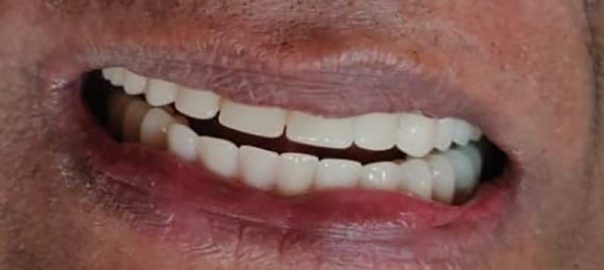
The alignment of your teeth, or your bite, is one of the foundational elements of your oral health. Dentists use the term malocclusion (literally “bad closure”) to describe any misalignment in how your upper and lower teeth meet. A proper bite ensures efficient chewing, clear speech, and an even distribution of pressure across your teeth.

If you suspect something isn’t quite right, you don’t necessarily need a dental X-ray to start looking for clues. Your own body often sends strong signals that you may have a malocclusion.

🔎 Look for Obvious Visual Signs

While some bite problems are subtle, many are visually apparent when you look in the mirror or notice someone else’s smile.

    • Crowding or Spacing: The most common sign. Crowded teeth overlap and twist, making them hard to clean. Excessive spacing (gaps) between teeth also constitutes a bite problem.

    • Misalignment of the Midline: If you bite down naturally, the center line between your two upper front teeth should generally line up with the center line between your two lower front teeth. If these lines are visibly offset, it may indicate a skeletal or dental misalignment.

    • Prominent Overbite or Underbite:

      • Overbite: The upper front teeth significantly overlap the lower front teeth. While a slight overlap is normal, a deep overbite can cause wear on the lower gums and upper palate.

      • Underbite: The lower front teeth sit in front of the upper front teeth when the mouth is closed. This is often an issue with jaw growth.

Shutterstock
    • Crossbite: One or more upper teeth sit inside the lower teeth. This can occur on the front teeth (anterior crossbite) or the back teeth (posterior crossbite).

Getty Images
    • Open Bite: There is a visible gap between the upper and lower teeth when the jaw is closed, meaning they do not touch. This often occurs in the front but can sometimes be in the back.

Getty Images

👂 Listen to the Pain and Sound Cues

A bad bite can place undue stress on parts of your mouth and jaw that aren’t designed to handle it, leading to noticeable discomfort or audible sounds.

  • Jaw Pain and TMJ Issues: The temporomandibular joints (TMJ) connect your jawbone to your skull. When your bite is off, the jaw muscles overcompensate, leading to muscle fatigue, headaches, and joint pain. Look out for clicking, popping, or grating sounds when you open or close your mouth.

  • Headaches and Neck Pain: Chronic, unexplained headaches, especially those that start in the temple or around the ear, are often linked to muscle strain from a misaligned bite.

  • Tooth Sensitivity or Pain: If you frequently have pain in specific teeth, especially after chewing, it may be because those teeth are bearing too much force compared to the others. This excessive pressure can cause sensitivity and tiny fractures.

👄 Notice the Wear and Tear

A destructive bad bite often reveals itself through the physical damage it inflicts on your teeth and gums over time.

  • Uneven Tooth Wear: Look at the biting surfaces of your back teeth or the edges of your front teeth in a mirror. If some teeth appear significantly flatter, shorter, or more chipped than their neighbors, it means they are taking the brunt of your chewing or grinding forces.

  • Grinding (Bruxism): Malocclusion is a common trigger for teeth grinding or clenching (bruxism), particularly at night. You might wake up with a sore jaw, or your partner might mention the grinding noise.

  • Gum Recession: Certain bite problems, particularly those involving excessive force (like a deep overbite pressing on the lower gums), can accelerate gum recession and put you at higher risk for periodontal disease.

  • Difficulty Chewing or Speaking: If you frequently bite your cheek or tongue, or if you struggle to pronounce certain sounds, a bite discrepancy may be the cause.

If you notice any combination of these visual signs, painful symptoms, or wear-and-tear patterns, it is crucial to schedule a consultation with a dentist or an orthodontist. They can conduct a thorough examination using X-rays and molds to determine the type and severity of your malocclusion and recommend appropriate treatment, such as orthodontics, retainers, or other dental appliances.

The Best and Worst Foods for Your Teeth

🍎 The Smile-Saver and the Sneaky Saboteur: Best and Worst Foods for Your Teeth

Your diet does more than fuel your body; it directly impacts the health and longevity of your teeth and gums. Every bite and sip introduces elements that either strengthen your enamel and neutralize harmful acids or accelerate decay and gum inflammation.

Understanding the difference between the Smile-Savers and the Sneaky Saboteurs is key to maintaining a bright, healthy smile for life.

✅ The Best Foods for a Healthy Smile (The Smile-Savers)

These foods are beneficial because they promote saliva production, contain necessary minerals, and are generally non-acidic.

1. Crunchy Fruits and Vegetables (The Natural Scrapers)

  • Examples: Apples, carrots, celery, bell peppers.

  • Why they’re great: These raw, high-fiber foods act like natural scrubbers. Chewing them stimulates saliva flow—nature’s best defense against cavities. Saliva washes away food particles and neutralizes acid. They also provide a gentle massage to your gums.

2. Dairy Products (The Calcium Crusaders)

  • Examples: Cheese, plain yogurt, milk.

  • Why they’re great: Dairy is rich in calcium and phosphates, which are crucial for re-mineralizing tooth enamel, the protective outer layer of your teeth. Cheese, in particular, has been shown to raise the {pH} level in the mouth, reducing acidity and making it a great post-meal snack.

3. Lean Proteins (The Building Blocks)

  • Examples: Fish, poultry, tofu, eggs.

  • Why they’re great: These foods contain phosphorus, which, like calcium, helps strengthen your teeth and jawbones. They also don’t contain fermentable carbohydrates, meaning they don’t feed the bacteria that cause acid attacks.

4. Water (The Essential Elixir)

  • Why it’s great: Fluoridated water is the single most important drink for your teeth. It rinses away food debris, keeps saliva flowing, and delivers fluoride—a mineral that directly strengthens enamel and prevents decay.

❌ The Worst Foods for Your Teeth (The Sneaky Saboteurs)

These foods and drinks either contain high levels of sugar (feeding bacteria) or are highly acidic (eroding enamel).

1. Hard and Sticky Candies (The Bacteria Banquet)

  • Examples: Caramel, toffee, lollipops, jawbreakers.

  • Why they’re bad: Sticky candies cling to the crevices of your teeth, making them difficult for saliva to wash away. Hard candies linger in the mouth for a long time, bathing your teeth in sugar and increasing the duration of the acid attack.

2. Citrus Fruits and Juices (The Acid Attackers)

  • Examples: Lemons, limes, grapefruit, orange juice.

  • Why they’re bad: While nutritious, these are highly acidic. Acid directly softens and erodes enamel, a condition called dental erosion. When consuming them, it’s best to do so as part of a meal and rinse your mouth with water immediately afterward (but wait 30 minutes before brushing!).

    Note: Acidic beverages like sparkling water (even unsweetened) or vinegar-based dressings should be consumed in moderation due to their lower {pH}.

3. Starchy and Processed Foods (The Hidden Sugars)

  • Examples: Potato chips, white bread, pasta, crackers.

  • Why they’re bad: These foods often break down into simple sugars (fermentable carbohydrates) very quickly. Furthermore, they can turn into a sticky paste that gets trapped between teeth and gums, acting like a prolonged sugar source for cavity-causing bacteria.

4. Soda and Sweetened Beverages (The Double Threat)

  • Examples: Carbonated soft drinks (both regular and diet), sweetened iced tea, energy drinks.

  • Why they’re bad: Sodas are a “double threat.” They are loaded with sugar and are highly acidic. Diet sodas remove the sugar but retain the acidity, which is still highly corrosive to enamel. Sipping on these drinks throughout the day extends the exposure time, maximizing damage.

💡 Strategies for a Tooth-Friendly Diet

You don’t have to eliminate all your favorite foods, but you can change how and when you eat them:

Strategy Action
Timing is Everything Consume sugary or acidic items during a main meal, not throughout the day. This limits the duration of the acid attack.
Rinse and Neutralize After eating acidic or sugary foods, rinse your mouth thoroughly with water or chew sugar-free gum to stimulate saliva.
Wait to Brush Wait at least 30 minutes after consuming acidic foods before brushing your teeth. Brushing while enamel is softened by acid can hasten erosion.
Use a Straw When drinking acidic beverages (like soda or juice), use a straw to minimize contact with your teeth.